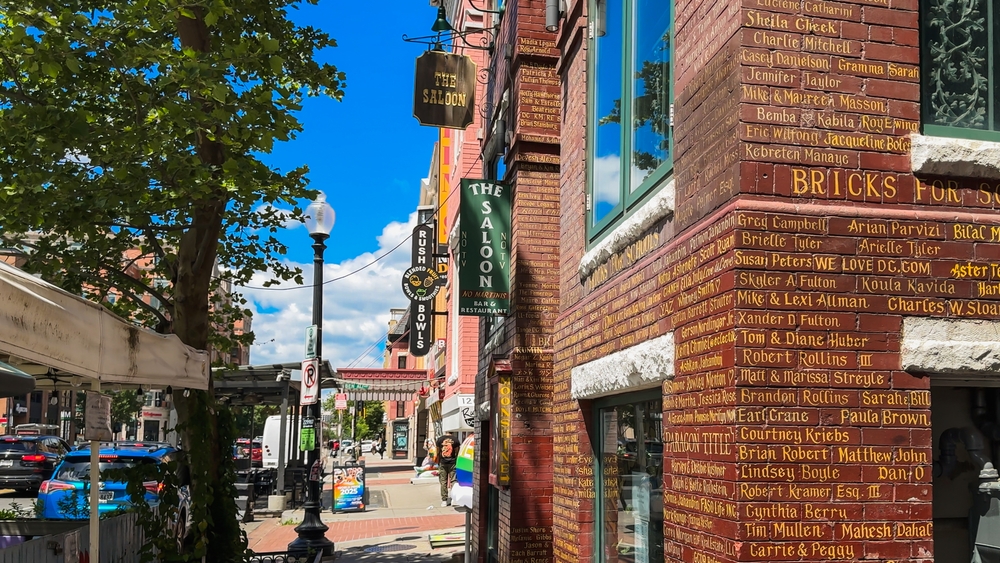
Historic district signage falls into its own category. A brand opening a location inside a designated historic overlay or downtown corridor encounters a permitting path unlike the standard sign process. In addition to the usual municipal review, the project must clear a design review board or historic preservation commission whose job is to protect the district’s architectural character. That review can add six to twelve weeks to a project timeline, and sometimes longer, depending on the jurisdiction and how prepared the applicant is when the application is submitted.
For a multi-location brand, historic district signage is a recurring challenge. Any brand opening across urban markets will encounter these overlays regularly, and sites inside them can’t be handled with the same signage playbook used elsewhere. Knowing how the process works and how to prepare a clean submission protects opening dates from slipping by a full quarter.
What Historic District Signage Review Involves
A historic district is a geographic area designated by a municipality, a state, or the National Register of Historic Places as having architectural or cultural significance worth preserving. Signage inside those districts is subject to rules beyond standard zoning. The review can reach almost every design element, from materials and mounting methods to illumination and typography.
The reviewing body varies by jurisdiction. A design review board or historic preservation commission is the typical structure. These boards typically meet monthly, sometimes less often, and review submitted applications against published design guidelines specific to the district. Some boards have advisory authority only, while others hold final approval power over any exterior change visible from the public right-of-way.
Applications generally require detailed drawings, material samples, mounting details, photographs of the existing building elevation, and a narrative explaining how the proposed sign conforms to the district’s design guidelines. Some jurisdictions require the applicant or a representative to appear at the review meeting to present the project and answer questions.
Why Historic District Signage Adds Time to a Program
The review timeline alone drives most delays. If a board meets once a month and the submission deadline is two weeks before the meeting, missing a deadline by a day pushes the project a full month before it even gets on the agenda. If the board asks for revisions, the applicant has to resubmit for the next meeting, adding another month.
Substantive design changes drive the rest of the delay. A design review board may reject a material choice or illumination style seen as routine elsewhere. Mounting methods and colors sometimes fall under similar scrutiny. A halo-lit channel letter sign that is standard for the brand may be rejected in favor of a painted or dimensional sign that respects the building’s historic character. An internally illuminated cabinet sign may be prohibited entirely. Each change sends the design back through fabrication planning and often through the municipal permit process as well.
The most preventable delays come from submissions that fail due to missing documentation. Incomplete applications are usually tabled or denied at the first meeting. Missing elevation drawings and material samples are common gaps, along with the absence of a written narrative addressing the district’s guidelines. A shop unfamiliar with the specific board’s expectations submits what worked in the last city and finds out at the meeting that this board wants something different.
What Design Review Boards Look For
Every historic district publishes its own guidelines, and the specifics vary considerably from one district to the next. Certain themes appear consistently across most jurisdictions.
Material selection draws immediate attention. Traditional options like painted wood, dimensional metal letters, gold leaf, and carved or sandblasted signs are generally favored. Plastic cabinet signs and backlit acrylic faces are often restricted, along with vinyl-wrapped panels.
Illumination is heavily scrutinized. Internal illumination is frequently disallowed in favor of external lighting from gooseneck fixtures or shielded downlights. Halo-lit signage is sometimes permitted where internal illumination is not, but this varies by district. LEDs and digital displays are generally not compatible with historic district review.
Mounting affects approval. Signs that penetrate historic masonry are often required to mount into mortar joints rather than into stone or brick faces, so the building can be restored without visible damage if the sign is later removed. Blade signs and projecting signs may be required to use specific bracket styles consistent with the district’s period.
Scale and proportion are enforced against the building. A sign that would be permitted at 24 square feet in a standard commercial district may be capped at 12 square feet inside the historic overlay. Letter height, sign area, and projection distance from the building face are all common restrictions.
Color palettes may be limited to what the district considers historically appropriate, which can require a brand to adjust its exterior color for that location while maintaining brand recognition through other elements.
How Multi-Location Programs Should Handle Historic District Signage
The path through historic district review starts with identification. During the site survey phase, a signage partner should confirm whether the property falls inside a designated historic district and, if so, whether the district has design review authority over exterior signage. That confirmation happens before any design work begins, so the brand’s standard sign package can be adapted from the start rather than redesigned after a rejection.
Design should be developed against the district’s published guidelines. This often means creating a historic-district version of the brand’s standard signage, using approved materials, mounting methods, and illumination that will clear review. Multi-location brands that anticipate ongoing exposure to historic districts benefit from having a pre-approved historic-district signage package as part of their overall program.
Submission preparation is where an experienced signage partner earns their fee. A complete application with the right drawings, material samples, elevation photography, and a written narrative addressing each guideline point clears review far faster than a submission that requires multiple rounds of revisions. Boards notice when an applicant has done the homework, and they receive applications that show preparation more favorably.
How East West Sign Group Handles Historic District Signage
At East West Sign Group, we identify historic district overlays during our initial site survey so the review path is clear before design begins. We prepare design review submissions against each district’s specific guidelines, using materials and mounting methods appropriate to the historic building. Brand identity stays intact through the design elements the board allows. When a district requires a variant of the brand’s standard signage, we work with the client to develop a historic-district specification that can be applied to future locations within similar overlays.
That preparation helps multi-location brands protect opening dates in markets where historic district reviews would otherwise push a project a full quarter behind schedule.
Talk with East West Sign Group
Brands planning rollouts in downtown corridors or historic districts benefit from a signage partner that has navigated design review before. Schedule a call with Jeff Rives, Chief Sign Guy at East West Sign Group, through his contact page to discuss how a coordinated program can handle historic district signage without derailing your opening schedule.